Tips for Improving Communication Skills
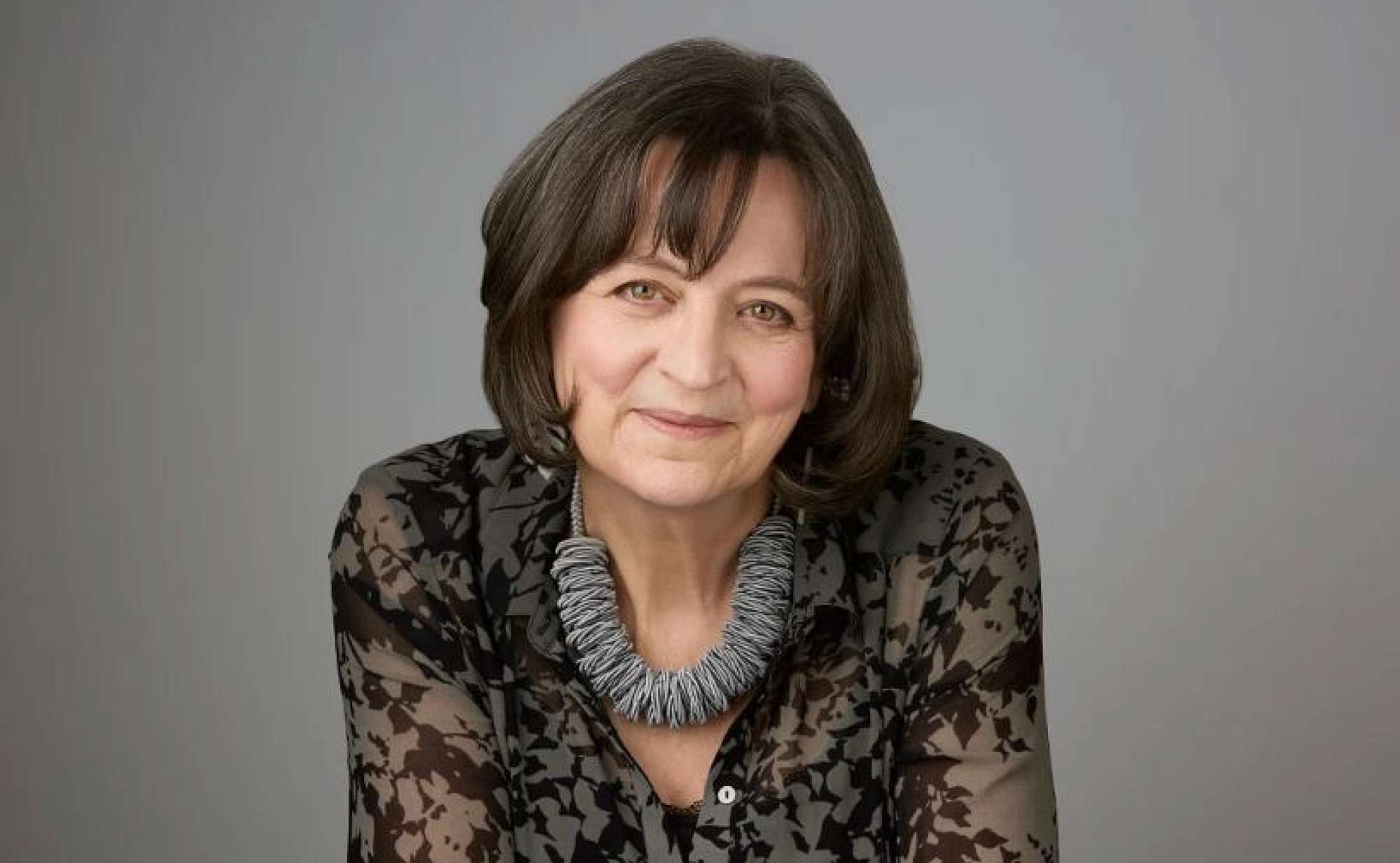
Kathryn Mannix is a well-known palliative care physician with a special interest in improving communication. She was recently in New Zealand and provided the following tips:
Communicate clearly and honestly - provide information that is accurate and use language that the person can understand, without using jargon. This may mean you need to adapt your communication style based on the resident's emotional state, cognitive abilities, and physical condition. Examples of this include timing conversations for when a person is at their best, including a support person for important conversations and writing down important points.
If English is your second language -take your time to prepare for an important conversation. Check with colleagues if you are under certain about the best words to use. Do not feel you need to rush, in fact most times residents or family need time to process new information so taking it slowly is highly recommended for everyone. Lastly ask the resident or family to clarify what they have said or check in with them to make sure you do understand what they are saying.
Be empathetic and compassionate - sometimes we need to give people information that they may find distressing, so it is important to communicate in a way that acknowledges the person's emotions. This can assist with building trust and providing them with comfort. This also means focusing on the person as an individual with unique experiences, values, and preferences, not just someone with medical issues.
Active listening - effective communication isn't just about us speaking but also about listening. This involves focusing fully on what the person is saying, not interrupting, and reflecting back their concerns and feelings. Doing this helps us identify the person's preferences, fears, and needs and helps us provide them with good care.
The power of silence - not talking can also be a useful communication tool as it slows the conversation down. It can provide time to reflect and process what is being said, sometimes producing a different perspective.
Non-verbal communication is important - non-verbal cues, such as body language, tone of voice, and facial expressions are also a form of communication. Non-verbal communication can be even more important than words, especially when a person is unable to communicate verbally. Approaching the person in a calm manner with an open posture (e.g. not folding your arms and standing over them) are methods of positive non-verbal communication.
Cultural considerations - Being aware of cultural norms around communication (e.g., the use of silence, directness, or family/whānau involvement in decision-making) is really important and can also help with building relationships and trust.
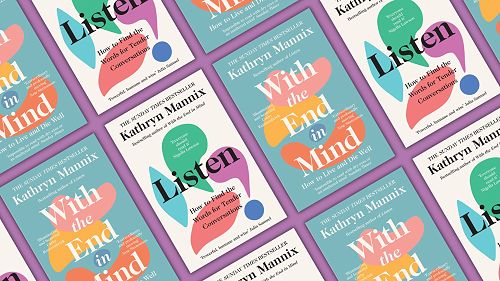
To learn more about Dr Mannix's approach, including some really interesting case studies, check out her two books, "With the End in Mind" and "Listen". They're also available as audio books.
You can also listen to her in this RNZ interview
Gallery